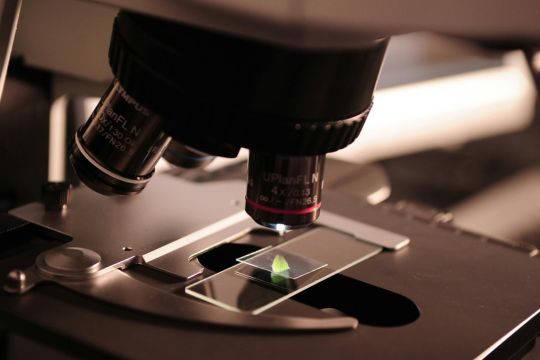
At a busy diagnostic lab in Dhaka, a pathologist examines a blood sample under an outdated microscope. The image is blurry, making it difficult to detect abnormalities. A misdiagnosis here could delay a patient’s treatment or lead to incorrect prescriptions.
This scenario highlights why investing in a high-quality medical microscope is essential for accurate and reliable diagnostics. Whether for hematology, microbiology, pathology, or research, a microscope’s precision can significantly impact healthcare outcomes.
In this guide, we’ll explore how the right microscope can improve workflow, reduce diagnostic errors, and save costs in the long run.
Why Investing in a High-Quality Microscope Matters
- Improved Diagnostic Accuracy – A high-resolution microscope enables pathologists to identify minute cellular abnormalities, ensuring accurate diagnoses.
- Better Efficiency & Workflow – Advanced imaging features and ergonomic designs help technicians work faster and more comfortably.
- Long-Term Cost Savings – Durable microscopes require less maintenance, reducing replacement costs.
- Enhanced Research & Education – High-quality optics enable medical students, researchers, and doctors to observe specimens with greater clarity.
Types of Medical Microscopes and Their Uses
1. Compound Microscopes – Ideal for Clinical Labs
- Magnification: 40x – 1000x
- Best for: Blood smears, urine analysis, tissue samples
- Example Model: Olympus CX23
This type is commonly used in diagnostic centers for hematology and pathology tests. The Olympus CX23 is popular in Bangladeshi labs due to its high-contrast imaging and user-friendly design.
2. Fluorescence Microscopes – Best for Specialized Testing
- Magnification: 100x – 1000x
- Best for: Detecting infections (e.g., TB), immunofluorescence tests
- Example Model: Nikon Eclipse E200
Fluorescence microscopes help detect bacteria and viruses that are invisible under standard light microscopes. This is crucial for diagnosing diseases like tuberculosis and malaria.
3. Digital Microscopes – Advanced Imaging for Research & Telemedicine
- Magnification: Up to 5000x
- Best for: Research labs, medical education, telemedicine
- Example Model: Leica DVM6
Equipped with HD cameras and image processing software, these microscopes allow remote diagnosis, reducing the need for patients to visit multiple specialists.
4. Electron Microscopes – Extreme Precision for Microbiology
- Magnification: Up to 10,000,000x
- Best for: Virology, detailed cellular studies
- Example Model: JEOL JEM-2100
Though expensive, electron microscopes are essential for studying viruses, bacteria, and complex cellular structures.
Key Features to Look for in a Medical Microscope
1. Optical Quality & Resolution
A microscope’s Numerical Aperture (NA) determines its resolving power. A good lab microscope should have an NA of 0.25 – 1.4 for clear images.
2. Magnification & Zoom Capabilities
For pathology and microbiology, a 100x oil immersion lens is essential for viewing bacteria and blood cells.
3. Durability & Build Quality
- Metal-frame construction lasts longer than plastic models.
- Anti-fungal coated lenses prevent damage in humid climates like Dhaka.
4. Ergonomic Design for Comfort
Technicians spend hours using microscopes. Adjustable eyepieces, LED lighting, and smooth focus knobs reduce strain and improve efficiency.
5. Digital Integration & Connectivity
Modern digital microscopes allow:
✔ Image capture & sharing for remote consultations
✔ Software analysis for better research & record-keeping
Case Study: How an Upgraded Microscope Improved a Dhaka Lab’s Performance
A pathology lab in Dhaka replaced its outdated microscopes with Olympus CX23 models. The impact was immediate:
- Reduction in diagnostic errors: By 35% due to clearer imaging.
- Faster sample analysis: Processing time dropped from 20 minutes to 12 minutes per sample.
- Increased patient throughput: Daily sample analysis capacity increased by 50%.
This case study proves that investing in high-quality microscopes leads to higher accuracy, efficiency, and patient satisfaction.
Cost vs. Benefit Analysis: Is It Worth the Investment?
| Feature | Low-End Microscope | High-End Microscope |
| Price | $300 – $1,000 | $3,000 – $10,000 |
| Resolution | Low | High |
| Durability | 3 – 5 years | 10+ years |
| Error Rate | 10 – 20% | <2% |
| ROI Over 5 Years | Low | High |
A cheap microscope may seem cost-effective initially, but frequent repairs, poor image quality, and diagnostic errors increase long-term costs. Investing in a high-quality microscope saves money and enhances lab accuracy.
How to Choose the Right Microscope for Your Lab
- Define Your Needs – Are you using it for routine lab work, microbiology, or research?
- Consider Your Budget – Balance affordability with quality. Spending more upfront saves in the long run.
- Check Warranty & Support – Choose brands that offer local servicing and spare parts availability in Dhaka.
- Test Before Buying – Evaluate image clarity, focus smoothness, and overall build quality.
Final Thoughts: Investing in Precision for Better Healthcare
Medical microscopes are a critical tool for diagnostics and research. Whether you’re running a pathology lab, a university research center, or a hospital, choosing a high-quality, durable, and accurate microscope will improve patient care and laboratory efficiency.
For clinics and labs in Dhaka, E & R Solution offers premium-quality medical microscopes with expert guidance and after-sales support. Contact us today to find the best microscope for your needs!