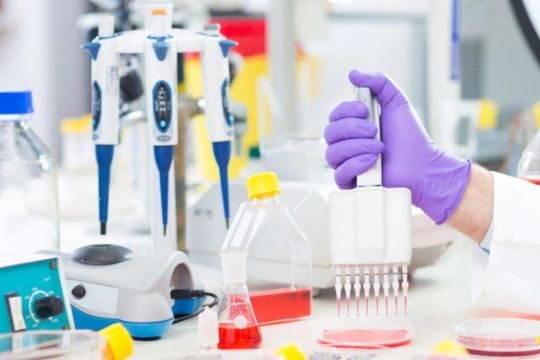
In Dhaka’s growing healthcare market, labs play a big role in helping doctors find out what’s wrong with patients. To do this, labs use machines like biochemistry analyzers, hematology analyzers, and other diagnostic equipment. But without the right laboratory reagents, these machines cannot work correctly.
If you’re starting a new lab or upgrading an old one, this guide will help you understand why high-quality reagents and analyzers are important. You’ll also learn how they save money, reduce mistakes, and make your lab work better.
What Are Laboratory Reagents?
Reagents are special chemicals used in labs to test samples like blood, urine, or plasma. When a sample is mixed with a reagent, a chemical reaction happens. Machines then read the result to tell us what is inside the sample.
Example:
- A glucose reagent helps check how much sugar is in someone’s blood.
- A hemoglobin reagent helps check red blood cell levels.
Without the right reagent, the machine will give a wrong or no result.
Why High-Quality Analyzers and Reagents Matter
Buying the best machines and reagents might seem expensive at first. But they actually save money and improve patient care over time.
Key Benefits:
1. Accurate Test Results
- Poor-quality reagents give wrong results.
- This can lead to wrong treatments or missed diseases.
- According to WHO, 70% of medical decisions are based on lab results.
➡️ If results are wrong, 7 out of 10 treatments might be affected.
2. Faster Results and Better Workflow
- Good machines and reagents work fast and rarely fail.
- This helps lab staff work smoothly and complete more tests per day.
- A study by the Journal of Lab Medicine showed that efficient labs can process 200+ samples per hour.
➡️ This means more patients get results quickly, and hospitals work better.
3. Durability and Lower Maintenance
- High-quality machines last longer and break down less often.
- Cheap machines need frequent repairs and cost more in the long run.
➡️ A well-maintained analyzer can last 8–10 years with proper care.
How Poor-Quality Reagents Can Harm Your Lab
Using cheap or low-grade reagents can seem like a cost-saving idea, but it often leads to:
- Repeated tests due to errors.
- Delayed diagnoses for patients.
- Loss of trust from doctors and clinics.
- Increased operating costs.
Real-World Numbers:
- Repeating 1,000 tests due to reagent error can cost over ৳100,000 per month in consumables and staff time.
- A clinic in Dhaka reported 20% more maintenance issues with cheaper equipment and poor-quality reagents.
Features of Good Biochemistry and Hematology Analyzers
When buying machines for your lab, look for these features:
1. Auto Calibration
- Ensures every test is accurate without manual adjustment.
- Saves time and reduces human error.
2. Barcode Scanning
- Tracks patient samples easily.
- Prevents mixing up samples.
3. High Throughput
- Can test many samples at once.
- Example: Some analyzers can handle up to 400 tests/hour.
4. User-Friendly Interface
- Easy for lab staff to learn and use.
- Reduces training time and user mistakes.
Key Types of Diagnostic Equipment for Your Lab
1. Biochemistry Analyzers
Used to test liver function, kidney health, glucose, cholesterol, and more.
- Common tests: SGPT, Creatinine, Uric Acid.
- Reagents needed: Enzyme-based chemical solutions.
💡 Investing in top brands like Mindray, Erba, or Roche can improve accuracy and durability.
2. Hematology Analyzers
used to quantify platelets, white blood cells, and red blood cells.
- Common tests: CBC (Complete Blood Count).
- Reagents needed: Hemoglobin reagent, diluent, and lysing solution.
💡 A 3-part or 5-part differential analyzer gives detailed blood reports.
3. Electrolyte Analyzers
used to measure blood levels of sodium, potassium, and chloride.
- Reagents needed: Ion-selective solutions.
➡️ Good for ICU, ER, and general health checks.
4. Coagulation Analyzers
Used to test how fast blood clots.
- Important for surgery and liver patients.
- Reagents needed: PT reagent, APTT reagent.
How to Choose the Right Supplier in Dhaka
E & R Solution helps labs across Bangladesh with quality machines and reagents.What to look for in a reputable provider is as follows:
✅ Reliable Brands
Choose brands with good reviews and strong support in Bangladesh.
✅ Local Technical Support
In case of machine issues, quick service helps reduce downtime.
✅ Consistent Reagent Supply
Regular supply of fresh reagents avoids test delays.
✅ Warranty & Maintenance
Ensure at least 1–2 years warranty and service options.
Cost vs. Value: A Simple Comparison
| Item | Low-Quality Option | High-Quality Option |
| Machine Cost (initial) | ৳2,00,000 | ৳4,00,000 |
| Repair Cost (per year) | ৳50,000 | ৳10,000 |
| Lifespan | 3–5 years | 8–10 years |
| Accuracy Rate | 80–85% | 95–99% |
| Monthly Reagent Wastage | High (up to ৳20,000) | Low (under ৳5,000) |
➡️ Spending more at the start saves over ৳1,00,000 in 2 years.
Real Example: A Dhaka Lab’s Experience
Sajeda Diagnostic Center in Mirpur upgraded their analyzers and reagents in 2023.
- Old system: Avg. 100 tests/day, 8% error rate.
- New system: 250 tests/day, <1% error rate.
- Cost saved: ৳1,50,000 in 6 months due to fewer repeat tests and maintenance.
Tips for Beginners
- Start with 1 biochemistry and 1 hematology analyzer.
- Track reagent usage to avoid wastage.
- Train staff to follow proper handling and storage.
- Set reminders for maintenance and calibration.
Final Thoughts
Running a successful lab isn’t just about having machines—it’s about having the right machines with the best reagents. Accuracy, speed, and long-term savings all depend on the quality of what you invest in.
If you’re in Dhaka or anywhere in Bangladesh, E & R Solution is here to guide you in setting up a lab that is reliable, cost-effective, and trusted by doctors and patients alike.